Category: Uncategorized

  • In the ever-evolving digital age, conversations about lifestyle, relationships, and companionship have expanded far beyond the private sphere. What was once whispered behind closed doors is now discussed more openly on social platforms, forums, and blogs. Jyoti Park, a well-known locality in Gurgaon, has become one such place where discussions about modern companionship and nightlife often spark curiosity. One phrase that frequently pops up in these conversations is Call Girls In Jyoti Park a keyword that tends to draw both attention and debate.

    But beyond the obvious intrigue, what does this say about society, relationships, and how we interact with our environments? Let’s take a step back and look at the larger picture.


    The Growing Transparency in Conversations

    Social media has changed how we perceive and discuss sensitive topics. A decade ago, the mention of anything related to adult companionship would have been avoided in public forums. Today, with increasing openness in digital spaces, people feel freer to express curiosity or share experiences.

    For areas like Jyoti Park, this trend reflects how urban neighborhoods are not just residential hubs but also social ecosystems. People living here are part of a modern, digital-first generation that values authenticity and openness. When topics like companionship are raised online, they often lead to wider discussions about relationships, emotional needs, and the pursuit of connection.


    Lifestyle and Urban Dynamics

    Jyoti Park is not just about nightlife—it’s a community filled with working professionals, families, and students. Its location in the heart of Gurgaon places it at the intersection of rapid urban development and traditional social structures.

    With shopping complexes, dining options, and entertainment zones nearby, it’s a place that attracts a diverse crowd. This diversity also creates space for different kinds of services and social interactions. Whether people are looking for a lively evening out or simply a casual coffee meet-up, the area has something for everyone.

    The mention of companionship services in relation to Jyoti Park should therefore be seen as just one aspect of a larger urban story—where personal freedom and lifestyle choices intersect with the realities of modern city life.


    Beyond the Keyword: Human Connection

    Whenever the topic of companionship services arises, it’s easy to focus only on the commercial side. But at the core of these conversations lies something much more human: the desire for connection.

    In today’s fast-paced world, loneliness is an increasing concern. Many professionals working long hours in Gurgaon’s corporate towers find little time to build or maintain relationships. This gap often leads people to seek companionship in different forms—some temporary, others more lasting.

    Understanding this perspective shifts the focus from judgment to empathy. After all, relationships—whether romantic, platonic, or fleeting—have always been an essential part of human experience.


    The Role of Social Media Narratives

    Platforms like Instagram, Facebook groups, and discussion boards have amplified conversations around Jyoti Park and similar areas. Memes, casual posts, and anonymous confessions bring humor and relatability to topics that were once considered taboo.

    This cultural shift shows how younger generations are reframing narratives. Instead of avoiding difficult conversations, they’re finding creative ways to express opinions—sometimes through satire, sometimes with raw honesty.


    Safety, Respect, and Responsibility

    While curiosity and openness are natural, it’s equally important to talk about safety and respect. Any form of companionship—whether arranged socially, romantically, or professionally—should always prioritize consent, dignity, and well-being.

    For communities like Jyoti Park, this means creating a safe environment where individuals feel respected, no matter what lifestyle choices they make. Conversations around companionship should therefore go hand-in-hand with promoting awareness about safety, personal boundaries, and mutual respect.


    Changing Social Attitudes

    India’s urban culture is evolving rapidly. What was once considered shameful is now discussed with nuance. Cities like Gurgaon, with areas such as Jyoti Park, represent the changing mindset of an entire generation—balancing tradition with modernity, privacy with transparency.

    The fact that people are willing to openly type, search, and discuss keywords like this online signals a shift. It shows that society is slowly moving towards less judgment and more understanding, especially in matters of personal freedom.


    Conclusion

    Jyoti Park isn’t just a location—it’s a reflection of the broader cultural and social changes sweeping across Indian cities. The presence of discussions around companionship, lifestyle, and nightlife speaks to the dynamic energy of the area. While keywords like Call Girls In Jyoti Park grab attention, the deeper conversation is about how people connect, what they seek, and how urban spaces are adapting to modern needs.

    As society continues to evolve, it’s important to foster open yet responsible dialogue. At the end of the day, it’s not just about services or nightlife—it’s about people, emotions, and the ever-changing ways we find connection in the modern world.


  • Conversations around companionship services are often clouded with assumptions, stigma, or one-dimensional portrayals. Society tends to view these services through a narrow lens, ignoring the broader human, cultural, and even social angles that shape this space. Yet, if we take a step back, we’ll find there’s much more to unpack—stories of empowerment, companionship, safety, and changing lifestyles.

    In urban areas, companionship has grown beyond simple stereotypes. It’s about people seeking company, emotional support, or simply a trusted face in the middle of life’s chaos. And just like any other social interaction, it reflects larger societal needs—connection, acceptance, and freedom of choice.


    Local Realities and Changing Perceptions

    Take for example the growing mentions of Call Girl In Ghata in everyday online searches. It’s not just a keyword; it reflects how digital platforms have become a bridge between services and those seeking them. People are no longer confined to hidden conversations or whispered exchanges. Instead, openness—though still cautious—is beginning to replace shame.

    In places like Ghata, companionship often carries a cultural undertone. Many individuals aren’t simply looking for fleeting encounters; some are seeking genuine conversation, understanding, and stress relief in a world that hardly slows down. For many professionals working long hours, it’s less about secrecy and more about human interaction that fits their lifestyle.


    The Urban Shift

    On the other side, communities such as Greenwood City highlight another trend. As lifestyles modernize, individuals prioritize privacy, comfort, and choice. The visibility of Call Girls In Greenwood City isn’t just about physical companionship; it’s tied to the evolving understanding of freedom, personal preference, and self-expression.

    What was once judged in silence is now slowly being framed as part of the broader hospitality and lifestyle sector. Much like restaurants or gyms, companionship services often exist to meet a demand that’s already present. People seek experiences that help them relax, feel appreciated, and step away from the grind of routine.


    More Than a Transaction

    When society views companionship services, it often stops at the transactional nature. But in reality, there’s much more involved. Many clients approach companionship as a way to overcome loneliness, cope with emotional struggles, or simply share time with someone without fear of judgment.

    For those offering the service, it can be a source of financial independence. In some cases, it provides women with the flexibility to balance personal and professional lives. When handled responsibly, these services allow both sides to engage on their own terms, emphasizing mutual respect and consent.


    Safety and Social Responsibility

    Another crucial aspect is safety. As awareness spreads, more platforms and individuals advocate for safe, transparent, and respectful interactions. From verified profiles to consent-driven conversations, these measures are reshaping how the industry operates. For society at large, this creates a healthier perspective—less focused on taboo and more on responsibility.

    Communities, too, play a role. Instead of shaming those who engage in companionship services, discussions can focus on legal frameworks, protections, and destigmatization. After all, reducing stigma allows for more open conversations about safety, fairness, and well-being.


    The Human Side

    What often gets overlooked is the very human element of companionship. Whether in Ghata, Greenwood City, or elsewhere, these interactions are built on trust. Behind every request is an individual—maybe a young professional away from home, maybe someone coping with stress, or even someone who just doesn’t want to eat dinner alone.

    Similarly, behind every service provider is a person navigating their own journey, making choices, and carving independence in a way that fits their life circumstances. When viewed through this human lens, companionship becomes less of a “taboo topic” and more of a conversation about freedom, connection, and modern living.


    Conclusion: Shaping a Balanced Dialogue

    As society evolves, so too must our discussions around companionship. It’s not about glorifying or criticizing, but about understanding. Keywords like Call Girl In Ghata or Call Girls In Greenwood City may drive search traffic online, but they also reflect deeper realities: a desire for connection, the importance of choice, and the necessity of social responsibility.

  • When people hear the words Call Girls In Gandhi Nagar or Call Girls In Garhi Harsaru, their minds often jump to assumptions shaped by movies, gossip, or shallow stereotypes. But behind those labels are real individuals, each carrying stories, struggles, and aspirations that rarely get told. To create a healthier society, it’s important we move beyond judgment and start seeing the human side of this often-misunderstood profession.

    The Human Behind the Profession

    Too often, discussions about women in this field ignore the fact that they are human beings first. Many step into the industry for reasons most people overlook — financial necessity, lack of opportunities, or personal choice. Instead of boxing them into one-dimensional labels, society needs to acknowledge their dignity and humanity. Whether in Call Girls In Gandhi Nagar or other places across the city, these individuals deserve respect and compassion like anyone else.

    Breaking the Taboo

    There’s no denying that conversations about companionship and adult work are still taboo in many communities. People whisper in private but hesitate to talk openly. Yet, avoiding the topic only reinforces stigma. By creating safe spaces for dialogue, we can challenge harmful stereotypes and understand the broader social realities. When you hear about Call Girls In Garhi Harsaru, think about the courage it takes to navigate judgmental stares, unsafe work environments, and lack of legal protections.

    Safety and Consent Matter Most

    One of the biggest concerns within this space is safety. Women working in companionship often face risks that most professions don’t. Ensuring proper safety measures, promoting awareness about consent, and encouraging respectful interactions can create a healthier environment. This isn’t just about one city or one group — whether it’s Call Girls In Gandhi Nagar or elsewhere, the principle remains the same: every person deserves to feel safe and respected in their line of work.

    The Role of Society

    Instead of shunning or mocking individuals in this profession, society has the power to support them. Access to healthcare, education, and mental health resources can make an enormous difference. Imagine a world where these women don’t have to hide, where they can access the same rights and protections as anyone else. When we speak openly about Call Girls In Garhi Harsaru, it’s not about glamourizing or demonizing — it’s about seeing reality without prejudice.

    Changing Perceptions Online

    Social media has become a powerful space for storytelling. Campaigns, blogs, and online discussions are breaking barriers by sharing the voices of women whose stories were once silenced. By reading, listening, and engaging with empathy, we can all play a part in reshaping how society views companionship work. A single post challenging stereotypes can spark a ripple effect that changes attitudes. Conversations about Call Girls In Gandhi Nagar online shouldn’t be about shaming — they should be about understanding.

    Respect Over Judgment

    At the end of the day, respect costs nothing but changes everything. Instead of quick judgments, try compassion. Behind the makeup, the titles, and the whispers are women trying to survive, support families, or pursue goals. The same way society respects every other profession, it’s time to extend that dignity to those in this line of work. Speaking of Call Girls In Garhi Harsaru, the conversation should no longer be about shame, but about how society can do better in ensuring equality and safety.

    Final Thoughts

    The journey to breaking stereotypes won’t happen overnight. But every open conversation, every compassionate perspective, and every act of respect takes us one step closer. Whether it’s Call Girls In Gandhi Nagar or Call Girls In Garhi Harsaru, the common thread is humanity. When we choose empathy over judgment, we create a society where every person, regardless of profession, can live with dignity.

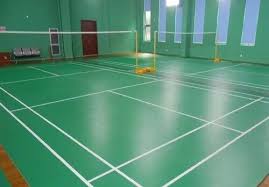
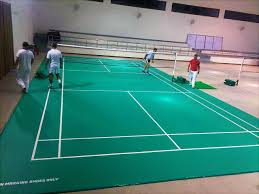
  • Badminton is one of the fastest-growing sports worldwide, and it’s easy to see why. It’s exciting, fast-paced, and can be enjoyed by players of all ages. Whether you’re building a court for a school, sports club, or your own backyard, there are two important factors to consider before you start: the type of court surface and the badminton court size.

    In this guide, we’ll walk you through why a synthetic badminton court is a smart choice, what makes it different from other surfaces, and the official badminton court size to ensure you’re playing the game the right way.


    Why Choose a Synthetic Badminton Court?

    Traditionally, badminton courts were made from wooden flooring. While wood offers a classic look, it comes with higher maintenance needs and can be less durable in certain climates. That’s where a synthetic badminton court comes in.

    Benefits of a Synthetic Court Surface:

    1. Durability – Synthetic surfaces are built to last. They can handle heavy use without showing wear and tear as quickly as wooden or cement courts.
    2. Low Maintenance – Forget regular polishing and heavy upkeep. A synthetic badminton court only needs basic cleaning to stay in top shape.
    3. Better Grip & Shock Absorption – Synthetic materials provide excellent traction, reducing the risk of slips while cushioning players’ joints during high-intensity games.
    4. Weather Resistance – Unlike wood, synthetic surfaces are not as easily damaged by humidity or temperature changes, making them perfect for both indoor and covered outdoor courts.

    Because of these benefits, many sports academies, schools, and professional arenas are making the switch to synthetic flooring.


    Understanding the Official Badminton Court Size

    While having the right surface is essential, the dimensions of your court are just as important. An incorrectly sized court can affect gameplay and may not meet competition standards.

    According to the Badminton World Federation (BWF), the official badminton court size for doubles play is:

    • Length: 13.4 meters (44 feet)
    • Width: 6.1 meters (20 feet)

    For singles matches, the width is slightly narrower:

    • Length: 13.4 meters (44 feet)
    • Width: 5.18 meters (17 feet)

    Other key measurements include:

    • Net Height: 1.55 meters (5 feet 1 inch) at the edges and 1.524 meters (5 feet) in the center.
    • Service Lines: Positioned 1.98 meters (6 feet 6 inches) from the net for doubles, and a long service line 0.76 meters (2 feet 6 inches) from the back boundary for singles.

    By sticking to these official dimensions, you ensure fair gameplay and make it easier for players to transition between friendly matches and professional competitions.


    Indoor vs. Outdoor Considerations

    When installing a synthetic badminton court, you need to think about whether it will be indoors or outdoors.

    • Indoor Courts – Ideal for consistent conditions, avoiding wind or rain interference. Synthetic flooring works perfectly indoors, providing a professional playing experience year-round.
    • Covered Outdoor Courts – If you’re short on space indoors, you can opt for a roofed outdoor court with synthetic flooring. This way, you still protect players from direct sun and rain while maintaining good surface quality.

    Keep in mind that outdoor courts may require additional care to prevent dust buildup, which can affect grip.


    Cost and Installation

    The price of a synthetic badminton court varies depending on material quality, thickness, and brand. While synthetic flooring may cost more initially compared to cement or wood, its durability and low maintenance often make it more cost-effective in the long run.

    Installation should always be handled by professionals to ensure the court is level, markings are accurate, and the surface is properly secured. Poor installation can lead to uneven bounce, slippery spots, or even injuries.


    Tips for Maintaining Your Synthetic Court

    Even though synthetic surfaces are low maintenance, a little care goes a long way:

    • Sweep the court regularly to remove dust and debris.
    • Avoid using harsh chemicals that could damage the surface.
    • Keep shoes clean before stepping on the court to maintain grip quality.
    • Inspect lines and markings periodically to ensure they remain visible.

    Final Thoughts

    Whether you’re building a recreational facility or setting up a court for competitive play, the combination of a synthetic badminton court and correct badminton court size will give players the best experience possible.

    Synthetic surfaces offer durability, safety, and comfort, while following official dimensions ensures fair play and professionalism. In the long run, this combination not only enhances the game but also saves you money and effort in maintenance.

    Badminton is more than just a sport—it’s a community activity, a fitness booster, and a source of endless fun. By investing in the right court, you’re helping that community grow stronger, one match at a time.

  • Basketball is one of those sports that brings people together—whether it’s a quick one-on-one with a friend, a full-court game with your community, or just practicing your jump shot under the open sky. There’s something special about playing on an outdoor basketball court—the fresh air, the open space, and the sense of freedom you get when the ball bounces against the pavement. But before you set up your own court or head to your local park, it’s worth understanding the proper basketball court size in meters and why it matters for your game.


    Why an Outdoor Court Feels Different

    An outdoor basketball court isn’t just a place to shoot hoops; it’s a social hub. You’ll find kids learning to dribble, friends playing pickup games, and local leagues hosting matches. Unlike indoor courts, outdoor courts are exposed to the elements—meaning you have to deal with wind, sun, and sometimes even rain. This makes outdoor games slightly more challenging, but also more exciting. You learn to adapt your shots to unpredictable conditions, and that helps sharpen your overall basketball skills.


    Standard Basketball Court Size in Meters

    Whether you’re building a court at home, planning one for your community, or just curious about the game’s measurements, knowing the basketball court size in meters is essential. According to the official FIBA (International Basketball Federation) standards:

    • Length: 28 meters
    • Width: 15 meters

    This is the size used in international competitions, including the Olympics. The court is divided into two equal halves, each with a free-throw line, three-point arc, and key (also known as the paint). If you’re playing in the U.S., the NBA court is slightly bigger—about 28.7 meters long and 15.2 meters wide—but for most casual and community games, the FIBA standard works perfectly.


    Half-Court Sizes for Smaller Spaces

    Not everyone has enough room for a full-size court. That’s where the half-court setup comes in. A half outdoor basketball court typically measures:

    • Length: 14 meters
    • Width: 15 meters

    This is ideal for practice sessions, casual games, and smaller communities. It’s also a popular choice for backyard courts because it requires less space and is more budget-friendly while still allowing for plenty of fun.


    Why Court Size Matters

    You might wonder—why not just make the court any size you want? The reason is simple: the basketball court size in meters affects gameplay. A court that’s too small can make the game feel cramped, reducing opportunities for running plays and long passes. A court that’s too big can tire players out faster and slow down the pace. Sticking to standard measurements ensures that everyone has a fair playing experience, no matter where they are.


    Surfaces for Outdoor Basketball Courts

    Choosing the right surface for an outdoor basketball court is just as important as getting the measurements right. Common surface options include:

    • Asphalt: The most popular choice for public courts—durable, affordable, and weather-resistant.
    • Concrete: Even stronger than asphalt but can be harder on the joints.
    • Sport Tiles: A premium choice that offers better grip, softer impact, and easier maintenance.

    Each surface type affects ball bounce, player movement, and even injury risk, so choose one based on your needs and budget.


    Setting Up Your Own Outdoor Court

    If you’re thinking about building your own outdoor basketball court, here’s a quick checklist:

    1. Measure the space – Make sure you have enough room for the official basketball court size in meters or at least a half-court version.
    2. Level the ground – A flat surface ensures fair gameplay and prevents injuries.
    3. Choose your hoop height – Standard hoop height is 3.05 meters from the ground.
    4. Paint the lines – Include the key, three-point arc, and free-throw lines according to official dimensions.
    5. Pick a durable surface – Consider weather conditions in your area.

    Final Thoughts

    Whether you’re playing casually with friends or training for serious competition, the experience of being on an outdoor basketball court is unforgettable. Understanding the proper basketball court size in meters helps ensure fair play, improves your game, and lets you appreciate the sport even more. So grab your ball, lace up your sneakers, and step onto the court—because every great game starts with the right space.

  • In the era of sustainable living, solar technology has become a leading solution for reducing dependency on non-renewable energy sources. With electricity prices constantly rising and environmental concerns becoming more urgent, a solar power system  offers a clean, renewable, and cost-effective alternative for homes, businesses, and industries. Among the many solar solutions available, rooftop installations are gaining massive popularity for their efficiency and space-saving benefits.

    Understanding a Solar Power System

    A solar power system converts sunlight into usable electricity using photovoltaic (PV) panels. When sunlight hits the panels, it generates direct current (DC), which is then converted into alternating current (AC) by an inverter. This AC electricity can power all kinds of appliances and equipment.

    There are three main types of solar power systems:

    1. On-Grid Systems – Connected to the utility grid, allowing excess energy to be sent back for credit through net metering.
    2. Off-Grid Systems – Independent setups ideal for remote areas without access to the grid.
    3. Hybrid Systems – A combination of both, offering grid connection along with battery backup.

    Each system type has unique advantages, and the choice depends on location, budget, and energy needs.

    What is a Solar Rooftop System?

    A solar rooftop system refers to installing solar panels on the roofs of residential, commercial, or industrial buildings. These systems utilize otherwise unused roof space to generate electricity without taking up extra land.

    Rooftop solar setups can be small for household use or large-scale for commercial purposes. Many businesses install rooftop solar panels to reduce operational costs, while homeowners enjoy significant savings on their monthly electricity bills.

    Benefits of a Solar Rooftop System

    1. Cost Savings – Reduces monthly electricity bills significantly.
    2. Efficient Space Use – Utilizes roof space without disturbing ground space.
    3. Eco-Friendly – Generates clean energy, reducing carbon footprint.
    4. Low Maintenance – Requires minimal upkeep beyond periodic cleaning.
    5. Government Incentives – Subsidies, tax benefits, and net metering make rooftop systems more affordable.

    How to Choose the Right Solar Setup

    When deciding between a ground-mounted or rooftop system, factors such as roof strength, sunlight exposure, and daily energy consumption should be evaluated. A professional installer can assess your property and recommend the best configuration for optimal performance.

    The choice of components—such as high-efficiency panels, reliable inverters, and durable mounting structures—plays a crucial role in maximizing energy output. Additionally, investing in a real-time monitoring system ensures you can track energy generation and detect any performance issues promptly.

    Installation Process

    1. Site Survey – Assessing roof condition, orientation, and shade levels.
    2. System Design – Creating a custom plan tailored to your energy needs.
    3. Installation – Mounting panels, wiring connections, and inverter setup.
    4. Testing – Ensuring all components function correctly before commissioning.
    5. Monitoring – Tracking performance for consistent efficiency.

    Government Policies Supporting Solar Adoption

    The Indian government has introduced multiple programs to encourage the adoption of solar technology. Subsidies of up to 40% are available for residential rooftop systems under certain schemes, and net metering policies allow homeowners to earn credits for excess power supplied to the grid.

    Many state governments also provide additional incentives, making solar more affordable and accessible. Combined with the long lifespan of solar panels—often 25 years or more—these benefits make solar an attractive investment.

    The Future of Solar Power

    With rapid advancements in panel efficiency, battery storage, and smart energy management systems, the future of solar power is brighter than ever. Cities and rural areas alike are adopting solar solutions to meet energy demands sustainably.

    By choosing the right solar power system and embracing rooftop solutions, individuals and businesses can secure long-term energy independence, save money, and contribute to environmental conservation.

    Conclusion

    Switching to solar energy is not just a financial decision—it’s a commitment to a sustainable future. A solar power system can transform the way you consume electricity, while a solar rooftop system ensures efficient use of space and resources. With government support, technological advancements, and increasing affordability, now is the perfect time to make the switch and enjoy decades of clean, renewable energy.

  • Pickleball has been making waves across the country, and for good reason. It’s a fun, social, and easy-to-learn game that blends elements of tennis, badminton, and ping-pong. Whether you’re a homeowner who wants a backyard court for weekend matches or a community planner looking to encourage healthy, social activities, pickleball court construction is your first step toward creating a place where people can gather, laugh, and play.

    Why Pickleball Is Booming

    Before diving into the nuts and bolts of pickleball court construction, it’s worth noting why this sport is growing so quickly. It’s accessible to all ages, requires minimal equipment, and can be enjoyed indoors or outdoors. Because it’s played on a smaller court than tennis, rallies last longer and games move at a pace that keeps everyone engaged but not exhausted.

    For communities, schools, and recreation centers, building a pickleball court is a relatively low-cost way to boost participation in physical activity and foster connections between neighbors.

    Choosing the Right Location

    The first step in pickleball court construction is deciding where your court will live. You’ll need a flat, stable surface with enough space to meet official dimensions—typically 20 feet wide by 44 feet long for the playing area, plus extra room around the perimeter for safe movement.

    If you’re installing an outdoor court, consider factors like sun exposure, wind direction, and drainage. A shaded court with good airflow will be more comfortable during warm weather, while proper grading will prevent puddles from forming after rain.

    For indoor courts, ensure there’s enough ceiling clearance—at least 18 to 20 feet—to accommodate lobs and high volleys without interference.

    Surface Options for Every Budget

    One of the most important choices in pickleball court construction is your playing surface. Popular options include:

    • Asphalt – A budget-friendly choice that’s durable and easy to resurface.
    • Concrete – Extremely long-lasting and stable, though slightly more expensive upfront.
    • Sport tile systems – Modular tiles that provide cushioning and slip resistance, ideal for converting multipurpose spaces into pickleball courts.

    No matter the surface, adding a quality acrylic coating in a contrasting color will improve ball visibility and reduce glare.

    Lining and Net Installation

    Precision matters when it comes to lines. Official pickleball lines are 2 inches wide and usually painted in white or yellow for strong visibility. If you’re converting a tennis court, you can overlay pickleball lines in a different color to allow both sports to coexist.

    Net posts should be anchored securely, and the regulation net height is 36 inches at the sidelines and 34 inches at the center. Investing in a sturdy net system will ensure consistent tension and long-term durability.

    Lighting for Evening Play

    If you want to keep the games going after sunset, lighting is a key part of pickleball court construction. LED sports lighting provides bright, even illumination without creating harsh shadows or glare. Aim for a lighting system that delivers at least 30–50 foot-candles on the court for comfortable nighttime visibility.

    Amenities That Add Comfort

    While the court itself is the star of the show, small extras can make your pickleball venue even more appealing. Benches or shaded seating areas give players a spot to rest between games. Water fountains or hydration stations help everyone stay refreshed. Even a simple scoreboard or chalkboard can keep games fun and organized.

    If you’re building a community facility, consider adding a storage shed for paddles, balls, and nets, as well as a small bulletin board for posting schedules or tournament results.

    Budget and Timeline

    The cost of pickleball court construction can vary widely depending on location, materials, and amenities. A basic outdoor asphalt court might cost around $15,000–$25,000, while a high-end indoor facility could run much higher.

    Timelines also vary, but most outdoor courts can be completed in 4–8 weeks, assuming weather cooperates. Indoor courts often take longer due to building preparation and specialized flooring installation.

    Maintenance for Longevity

    Once your court is built, regular maintenance will keep it in great condition for years. This includes cleaning the surface, checking for cracks, touching up lines, and inspecting nets for wear. With proper care, your pickleball court can serve hundreds of matches without losing its charm.

    The Social Payoff

    Perhaps the best part of pickleball court construction is seeing how it brings people together. From early-morning matches between retirees to spirited after-school games for teens, a pickleball court quickly becomes a hub of laughter, competition, and friendship.

    Whether you’re planning to build in your backyard, at a community park, or inside a sports facility, the process is a rewarding investment in both physical health and social connection. Once the court is complete, you’re not just left with a place to play—you’ve created a space where memories will be made, rivalries will be born, and newcomers will always feel welcome.

  • If you’ve spent time exploring the colorful world of Indian games and pastimes, chances are you’ve heard whispers (or bold conversations) about India matka. This intriguing numbers game has a fascinating history, a loyal fan base, and a story that stretches from traditional bazaars to today’s digital screens. But what exactly is it, and why does it hold such a unique place in popular culture? Let’s break it down.


    The Origins of India matka

    India matka traces its roots back to the 1960s, when it started as a form of lottery based on the opening and closing rates of cotton transmitted from the New York Cotton Exchange to the Bombay Cotton Exchange. Over time, the original format evolved, but the core idea remained the same — players would bet on numbers and wait for results to be announced.

    The name “matka” itself literally means “earthen pot” in Hindi. In the early days, slips of paper with numbers were placed in a clay pot, and a person would draw one slip at random. This simple yet suspenseful method became the foundation of the game’s identity.


    How India matka Works

    At its heart, India matka  is a form of number betting. Players choose a set of numbers from a given range, and results are declared at fixed times. Traditionally, there were two draws a day: one for the opening number and one for the closing number. These numbers were then used to determine the winners.

    The excitement comes from both the anticipation and the strategies players believe can improve their odds. While the outcome is random, seasoned enthusiasts often claim to detect “patterns” in results, much like fans of other luck-based games worldwide.


    From Streets to Screens

    The digital era has changed the face of India matka. Once played in small physical setups in bustling markets, it’s now accessible on smartphones and computers. Online platforms have made it possible for enthusiasts to participate from anywhere, without the limitations of geography. This transformation has attracted a younger audience, blending tradition with technology.

    However, this shift has also sparked discussions about regulation, fair play, and responsible participation. The anonymity of online platforms can make it harder to monitor, so it’s essential for players to choose reputable and transparent platforms if they decide to engage.


    The Cultural Impact

    More than just a game, India matka has found a place in Indian urban folklore. It’s been referenced in Bollywood films, news stories, and even local street art. For many, it’s a nostalgic reminder of a different era, while for others, it remains an active hobby.

    The game’s cultural footprint is particularly strong in Maharashtra and Gujarat, where its history runs deep. Over the decades, India matka has been linked to entrepreneurial spirit, underground networks, and changing social trends.


    Risks and Responsibility

    It’s important to note that India matka involves real money and carries inherent risks. The thrill of winning can be intoxicating, but it’s equally easy to face losses. This is why responsible participation is crucial. Setting limits, avoiding chasing losses, and treating it purely as entertainment can help keep the experience enjoyable rather than stressful.

    Governments and local authorities have implemented regulations and bans in certain areas, so understanding the legal landscape before participating is essential.


    The Modern-Day Community

    Even with its controversial aspects, the India matka community remains vibrant. Forums, WhatsApp groups, and social media pages are buzzing with tips, result updates, and lively discussions. For many, it’s not just about the numbers, but the camaraderie and shared excitement.

    Interestingly, some players have started hosting charity games or using winnings to fund local projects, giving the game a positive twist. This shows that while the essence of India matka lies in chance, its impact can extend into meaningful social connections.


    Final Thoughts

    India matka is a fascinating blend of history, culture, risk, and entertainment. From its humble beginnings in cotton rate speculation to becoming a household name in the betting world, it has undergone transformations that mirror India’s own journey through modernization.

    Whether you view it as a nostalgic pastime, a cultural symbol, or simply a numbers game, one thing is certain — India matka is here to stay in the conversation. As with any game involving stakes, the best approach is to play smart, stay informed, and remember that luck, while thrilling, is never guaranteed.

  • If you’re a proud owner of a Mercedes E63 AMG, you already know it’s a beast straight from the factory. With a roaring V8, refined luxury, and a presence that turns heads, it’s one of the most exhilarating sedans on the market. But for many enthusiasts, there’s always room for more—more sound, more power, and more thrill.

    That’s where a mercedes e63 downpipe install comes in. It’s one of the most effective performance upgrades you can do, unlocking hidden horsepower, enhancing exhaust notes, and making your AMG feel even more alive.


    What is a Downpipe?

    In simple terms, the downpipe is the section of your exhaust system that connects the turbochargers to the rest of the exhaust. In stock form, it often contains restrictive catalytic converters designed to meet emissions standards. While these are necessary for compliance, they also create backpressure, which limits airflow and, ultimately, performance.

    Upgrading to a high-flow or catless downpipe reduces this restriction, allowing exhaust gases to exit faster. The result? Better turbo spool, improved throttle response, and a more aggressive exhaust note.


    Why Upgrade Your E63 Downpipe?

    1. Increased Horsepower & Torque – A freer-flowing exhaust means your engine can breathe better, leading to measurable gains in power. Many E63 owners see 40–80 extra horsepower with a downpipe upgrade when paired with a tune.
    2. Sharper Throttle Response – Reducing backpressure allows the turbos to spool up faster, giving you quicker acceleration.
    3. Enhanced Sound – Let’s be honest—one of the biggest reasons to do a Mercedes E63 downpipe install is the sound. You’ll get a deeper, throatier growl that perfectly matches the AMG’s aggressive personality.
    4. Better Overall Performance – Whether on the track or just enjoying spirited driving, your E63 will feel more responsive and eager.

    The Installation Process: Step-by-Step Overview

    While some experienced enthusiasts do this at home, a Mercedes E63 downpipe install is best done by a professional if you’re not comfortable with automotive work. Here’s what the process typically involves:

    1. Preparation

    • Lift the vehicle securely using a professional lift or heavy-duty jack stands.
    • Disconnect the battery to prevent electrical issues.
    • Allow the exhaust system to cool completely before starting.

    2. Removing the Stock Downpipe

    • Remove the underbody panels for access.
    • Disconnect oxygen sensors (O2 sensors) carefully to avoid damage.
    • Unbolt the factory downpipe from the turbochargers and the mid-section of the exhaust.
    • Gently remove the downpipe from under the car.

    3. Installing the New Downpipe

    • Position the aftermarket downpipe in place, ensuring correct alignment with the turbo outlets.
    • Secure it using the provided gaskets, bolts, and clamps.
    • Reconnect the O2 sensors.
    • Reinstall any removed underbody panels.

    4. Tuning the ECU

    After a downpipe upgrade, a performance tune is strongly recommended. This ensures your engine management system can adapt to the improved exhaust flow, optimizing performance and preventing check engine lights.


    Tips for a Smooth Install

    • Quality Matters – Choose a reputable brand for your downpipe. Precision fitment ensures easier installation and better performance.
    • Don’t Skip the Tune – Running a high-flow downpipe without proper tuning can cause issues like poor fuel economy or triggering the check engine light.
    • Plan for Sound – A downpipe upgrade can make your E63 significantly louder. Check your local noise regulations before going catless.

    Costs and Considerations

    A Mercedes E63 downpipe install can cost anywhere from $1,200 to $3,000, depending on whether you choose a high-flow catted downpipe or a catless version, plus labor. Catless downpipes tend to offer more performance but may not be street-legal in all areas. Always check your local laws before installing.


    The Result: A Whole New Driving Experience

    After completing a Mercedes E63 downpipe install, the difference is immediately noticeable. Acceleration feels sharper, the car sounds more menacing, and you can almost feel the turbos breathing easier. It transforms an already exceptional performance sedan into something even more intoxicating.

    Whether you’re chasing lap times or simply want to enjoy the ultimate AMG experience on your daily commute, upgrading your downpipe is a rewarding modification.


    Final Thoughts
    A Mercedes E63 downpipe install is one of those upgrades that delivers on multiple fronts—performance, sound, and driving excitement. With the right parts, proper installation, and a good tune, your E63 will feel more alive than ever. It’s the perfect blend of German engineering and enthusiast-driven passion.

  • Kherki Daula, once known mainly as a toll plaza landmark and a hub for industrial and commercial growth in Gurgaon, has transformed into a vibrant locality with an evolving lifestyle. Over the past few years, the area has seen significant infrastructure development, improved connectivity, and a rise in hospitality services. This change has created an interesting mix of residents, visitors, and professionals who contribute to its bustling atmosphere.

    One of the lesser-discussed but notable aspects of modern urban life in areas like Kherki Daula is the presence of diverse social services and entertainment options. From high-end hotels and fine dining restaurants to cultural activities and nightlife spots, the locality offers a variety of ways for people to unwind after a busy day.

    A Hub for Working Professionals

    Kherki Daula’s location makes it a strategic point for professionals working in Gurgaon’s corporate hubs. With NH-48 running through it, the area provides quick access to Manesar, Cyber City, and other commercial zones. Many working individuals prefer to stay in and around Kherki Daula because it offers more affordable accommodation compared to central Gurgaon, without compromising on connectivity.

    The influx of young professionals has boosted demand for recreational activities, leisure spots, and networking  Call Girls In Kherki Daula  opportunities. The weekend vibe here is energetic, as people gather in restaurants, coffee shops, and lounges to relax and socialise.

    Hospitality and Lifestyle Growth

    The hospitality sector in Kherki Daula has expanded rapidly. Several mid-range and luxury hotels now cater to business travellers, tourists, and event organisers. These establishments often host conferences, corporate parties, and private gatherings. Alongside this, the local food scene has also flourished. You can find everything from authentic North Indian delicacies to global cuisines, thanks to the diverse mix of residents and visitors.

    Kherki Daula also benefits from its proximity to major shopping hubs. Malls and retail complexes in the nearby sectors offer shopping, entertainment, and dining all under one roof. This convenience attracts both locals and out-of-town guests, further boosting the area’s appeal.

    Social Services and Personalised Experiences

    In addition to mainstream hospitality and leisure options, Kherki Daula has quietly become a destination for more personalised lifestyle services. These cater to individuals looking for tailored experiences that go beyond standard dining or entertainment. This includes wellness services, spa treatments, and companionship experiences, which some people seek for social interaction and emotional comfort.

    It’s in this context that Call Girls In Kherki Daula have become part of the local conversation. While often approached discreetly, such services are sought by a segment of visitors who value privacy, companionship, and personalised attention. The demand reflects a broader trend in metropolitan areas, where people’s social and personal needs are addressed through professional, confidential arrangements.

    When discussed responsibly, it’s important to highlight that ethical practices, safety, and mutual respect are essential in any such interaction. Many reputable service providers prioritise these aspects, ensuring that experiences remain professional and respectful for all parties involved.

    The Changing Image of the Locality

    For a long time, Kherki Daula was associated with traffic congestion and toll booths. However, recent infrastructural improvements—such as the development of underpasses, better road layouts, and connectivity to key destinations—have shifted public perception. The area is now seen as a developing lifestyle hub where business, leisure, and personal services coexist.

    Real estate growth has also played a major role. With new residential societies, serviced apartments, and commercial spaces opening up, Kherki Daula has attracted a mix of long-term residents and transient visitors. This diversity has enriched the local culture and economy.

    Looking Ahead

    The future of Kherki Daula looks promising. As Gurgaon continues to expand outward, areas like this will see more investment in public amenities, green spaces, and cultural events. The growth of lifestyle services, both mainstream and niche, will likely keep pace with the needs of a dynamic population.

    The locality’s transformation shows how modern urban spaces evolve to cater to both practical and social needs. Whether it’s through improved infrastructure, varied entertainment, or discreet companionship services, Kherki Daula demonstrates the adaptability of growing cities.

    Conclusion

    Kherki Daula is no longer just a pass-through point on the way to somewhere else. It has become a destination in its own right, offering a blend of work opportunities, leisure options, and lifestyle services. The area’s development reflects a wider shift in urban living—where convenience, connection, and personalised experiences are increasingly valued.

    From bustling corporate corridors to the quiet moments of personal relaxation, Kherki Daula offers a bit of everything for the modern resident or visitor. Its ongoing growth suggests that in the years to come, the locality will only become more attractive as a social and hospitality hub in the Gurgaon region.

Design a site like this with WordPress.com
Get started