Category: Uncategorized

  • Basketball is one of those sports that brings people together—whether it’s a quick one-on-one with a friend, a full-court game with your community, or just practicing your jump shot under the open sky. There’s something special about playing on an outdoor basketball court—the fresh air, the open space, and the sense of freedom you get when the ball bounces against the pavement. But before you set up your own court or head to your local park, it’s worth understanding the proper basketball court size in meters and why it matters for your game.


    Why an Outdoor Court Feels Different

    An outdoor basketball court isn’t just a place to shoot hoops; it’s a social hub. You’ll find kids learning to dribble, friends playing pickup games, and local leagues hosting matches. Unlike indoor courts, outdoor courts are exposed to the elements—meaning you have to deal with wind, sun, and sometimes even rain. This makes outdoor games slightly more challenging, but also more exciting. You learn to adapt your shots to unpredictable conditions, and that helps sharpen your overall basketball skills.


    Standard Basketball Court Size in Meters

    Whether you’re building a court at home, planning one for your community, or just curious about the game’s measurements, knowing the basketball court size in meters is essential. According to the official FIBA (International Basketball Federation) standards:

    • Length: 28 meters
    • Width: 15 meters

    This is the size used in international competitions, including the Olympics. The court is divided into two equal halves, each with a free-throw line, three-point arc, and key (also known as the paint). If you’re playing in the U.S., the NBA court is slightly bigger—about 28.7 meters long and 15.2 meters wide—but for most casual and community games, the FIBA standard works perfectly.


    Half-Court Sizes for Smaller Spaces

    Not everyone has enough room for a full-size court. That’s where the half-court setup comes in. A half outdoor basketball court typically measures:

    • Length: 14 meters
    • Width: 15 meters

    This is ideal for practice sessions, casual games, and smaller communities. It’s also a popular choice for backyard courts because it requires less space and is more budget-friendly while still allowing for plenty of fun.


    Why Court Size Matters

    You might wonder—why not just make the court any size you want? The reason is simple: the basketball court size in meters affects gameplay. A court that’s too small can make the game feel cramped, reducing opportunities for running plays and long passes. A court that’s too big can tire players out faster and slow down the pace. Sticking to standard measurements ensures that everyone has a fair playing experience, no matter where they are.


    Surfaces for Outdoor Basketball Courts

    Choosing the right surface for an outdoor basketball court is just as important as getting the measurements right. Common surface options include:

    • Asphalt: The most popular choice for public courts—durable, affordable, and weather-resistant.
    • Concrete: Even stronger than asphalt but can be harder on the joints.
    • Sport Tiles: A premium choice that offers better grip, softer impact, and easier maintenance.

    Each surface type affects ball bounce, player movement, and even injury risk, so choose one based on your needs and budget.


    Setting Up Your Own Outdoor Court

    If you’re thinking about building your own outdoor basketball court, here’s a quick checklist:

    1. Measure the space – Make sure you have enough room for the official basketball court size in meters or at least a half-court version.
    2. Level the ground – A flat surface ensures fair gameplay and prevents injuries.
    3. Choose your hoop height – Standard hoop height is 3.05 meters from the ground.
    4. Paint the lines – Include the key, three-point arc, and free-throw lines according to official dimensions.
    5. Pick a durable surface – Consider weather conditions in your area.

    Final Thoughts

    Whether you’re playing casually with friends or training for serious competition, the experience of being on an outdoor basketball court is unforgettable. Understanding the proper basketball court size in meters helps ensure fair play, improves your game, and lets you appreciate the sport even more. So grab your ball, lace up your sneakers, and step onto the court—because every great game starts with the right space.


  • In the era of sustainable living, solar technology has become a leading solution for reducing dependency on non-renewable energy sources. With electricity prices constantly rising and environmental concerns becoming more urgent, a solar power system  offers a clean, renewable, and cost-effective alternative for homes, businesses, and industries. Among the many solar solutions available, rooftop installations are gaining massive popularity for their efficiency and space-saving benefits.

    Understanding a Solar Power System

    A solar power system converts sunlight into usable electricity using photovoltaic (PV) panels. When sunlight hits the panels, it generates direct current (DC), which is then converted into alternating current (AC) by an inverter. This AC electricity can power all kinds of appliances and equipment.

    There are three main types of solar power systems:

    1. On-Grid Systems – Connected to the utility grid, allowing excess energy to be sent back for credit through net metering.
    2. Off-Grid Systems – Independent setups ideal for remote areas without access to the grid.
    3. Hybrid Systems – A combination of both, offering grid connection along with battery backup.

    Each system type has unique advantages, and the choice depends on location, budget, and energy needs.

    What is a Solar Rooftop System?

    A solar rooftop system refers to installing solar panels on the roofs of residential, commercial, or industrial buildings. These systems utilize otherwise unused roof space to generate electricity without taking up extra land.

    Rooftop solar setups can be small for household use or large-scale for commercial purposes. Many businesses install rooftop solar panels to reduce operational costs, while homeowners enjoy significant savings on their monthly electricity bills.

    Benefits of a Solar Rooftop System

    1. Cost Savings – Reduces monthly electricity bills significantly.
    2. Efficient Space Use – Utilizes roof space without disturbing ground space.
    3. Eco-Friendly – Generates clean energy, reducing carbon footprint.
    4. Low Maintenance – Requires minimal upkeep beyond periodic cleaning.
    5. Government Incentives – Subsidies, tax benefits, and net metering make rooftop systems more affordable.

    How to Choose the Right Solar Setup

    When deciding between a ground-mounted or rooftop system, factors such as roof strength, sunlight exposure, and daily energy consumption should be evaluated. A professional installer can assess your property and recommend the best configuration for optimal performance.

    The choice of components—such as high-efficiency panels, reliable inverters, and durable mounting structures—plays a crucial role in maximizing energy output. Additionally, investing in a real-time monitoring system ensures you can track energy generation and detect any performance issues promptly.

    Installation Process

    1. Site Survey – Assessing roof condition, orientation, and shade levels.
    2. System Design – Creating a custom plan tailored to your energy needs.
    3. Installation – Mounting panels, wiring connections, and inverter setup.
    4. Testing – Ensuring all components function correctly before commissioning.
    5. Monitoring – Tracking performance for consistent efficiency.

    Government Policies Supporting Solar Adoption

    The Indian government has introduced multiple programs to encourage the adoption of solar technology. Subsidies of up to 40% are available for residential rooftop systems under certain schemes, and net metering policies allow homeowners to earn credits for excess power supplied to the grid.

    Many state governments also provide additional incentives, making solar more affordable and accessible. Combined with the long lifespan of solar panels—often 25 years or more—these benefits make solar an attractive investment.

    The Future of Solar Power

    With rapid advancements in panel efficiency, battery storage, and smart energy management systems, the future of solar power is brighter than ever. Cities and rural areas alike are adopting solar solutions to meet energy demands sustainably.

    By choosing the right solar power system and embracing rooftop solutions, individuals and businesses can secure long-term energy independence, save money, and contribute to environmental conservation.

    Conclusion

    Switching to solar energy is not just a financial decision—it’s a commitment to a sustainable future. A solar power system can transform the way you consume electricity, while a solar rooftop system ensures efficient use of space and resources. With government support, technological advancements, and increasing affordability, now is the perfect time to make the switch and enjoy decades of clean, renewable energy.

  • Pickleball has been making waves across the country, and for good reason. It’s a fun, social, and easy-to-learn game that blends elements of tennis, badminton, and ping-pong. Whether you’re a homeowner who wants a backyard court for weekend matches or a community planner looking to encourage healthy, social activities, pickleball court construction is your first step toward creating a place where people can gather, laugh, and play.

    Why Pickleball Is Booming

    Before diving into the nuts and bolts of pickleball court construction, it’s worth noting why this sport is growing so quickly. It’s accessible to all ages, requires minimal equipment, and can be enjoyed indoors or outdoors. Because it’s played on a smaller court than tennis, rallies last longer and games move at a pace that keeps everyone engaged but not exhausted.

    For communities, schools, and recreation centers, building a pickleball court is a relatively low-cost way to boost participation in physical activity and foster connections between neighbors.

    Choosing the Right Location

    The first step in pickleball court construction is deciding where your court will live. You’ll need a flat, stable surface with enough space to meet official dimensions—typically 20 feet wide by 44 feet long for the playing area, plus extra room around the perimeter for safe movement.

    If you’re installing an outdoor court, consider factors like sun exposure, wind direction, and drainage. A shaded court with good airflow will be more comfortable during warm weather, while proper grading will prevent puddles from forming after rain.

    For indoor courts, ensure there’s enough ceiling clearance—at least 18 to 20 feet—to accommodate lobs and high volleys without interference.

    Surface Options for Every Budget

    One of the most important choices in pickleball court construction is your playing surface. Popular options include:

    • Asphalt – A budget-friendly choice that’s durable and easy to resurface.
    • Concrete – Extremely long-lasting and stable, though slightly more expensive upfront.
    • Sport tile systems – Modular tiles that provide cushioning and slip resistance, ideal for converting multipurpose spaces into pickleball courts.

    No matter the surface, adding a quality acrylic coating in a contrasting color will improve ball visibility and reduce glare.

    Lining and Net Installation

    Precision matters when it comes to lines. Official pickleball lines are 2 inches wide and usually painted in white or yellow for strong visibility. If you’re converting a tennis court, you can overlay pickleball lines in a different color to allow both sports to coexist.

    Net posts should be anchored securely, and the regulation net height is 36 inches at the sidelines and 34 inches at the center. Investing in a sturdy net system will ensure consistent tension and long-term durability.

    Lighting for Evening Play

    If you want to keep the games going after sunset, lighting is a key part of pickleball court construction. LED sports lighting provides bright, even illumination without creating harsh shadows or glare. Aim for a lighting system that delivers at least 30–50 foot-candles on the court for comfortable nighttime visibility.

    Amenities That Add Comfort

    While the court itself is the star of the show, small extras can make your pickleball venue even more appealing. Benches or shaded seating areas give players a spot to rest between games. Water fountains or hydration stations help everyone stay refreshed. Even a simple scoreboard or chalkboard can keep games fun and organized.

    If you’re building a community facility, consider adding a storage shed for paddles, balls, and nets, as well as a small bulletin board for posting schedules or tournament results.

    Budget and Timeline

    The cost of pickleball court construction can vary widely depending on location, materials, and amenities. A basic outdoor asphalt court might cost around $15,000–$25,000, while a high-end indoor facility could run much higher.

    Timelines also vary, but most outdoor courts can be completed in 4–8 weeks, assuming weather cooperates. Indoor courts often take longer due to building preparation and specialized flooring installation.

    Maintenance for Longevity

    Once your court is built, regular maintenance will keep it in great condition for years. This includes cleaning the surface, checking for cracks, touching up lines, and inspecting nets for wear. With proper care, your pickleball court can serve hundreds of matches without losing its charm.

    The Social Payoff

    Perhaps the best part of pickleball court construction is seeing how it brings people together. From early-morning matches between retirees to spirited after-school games for teens, a pickleball court quickly becomes a hub of laughter, competition, and friendship.

    Whether you’re planning to build in your backyard, at a community park, or inside a sports facility, the process is a rewarding investment in both physical health and social connection. Once the court is complete, you’re not just left with a place to play—you’ve created a space where memories will be made, rivalries will be born, and newcomers will always feel welcome.

  • If you’ve spent time exploring the colorful world of Indian games and pastimes, chances are you’ve heard whispers (or bold conversations) about India matka. This intriguing numbers game has a fascinating history, a loyal fan base, and a story that stretches from traditional bazaars to today’s digital screens. But what exactly is it, and why does it hold such a unique place in popular culture? Let’s break it down.


    The Origins of India matka

    India matka traces its roots back to the 1960s, when it started as a form of lottery based on the opening and closing rates of cotton transmitted from the New York Cotton Exchange to the Bombay Cotton Exchange. Over time, the original format evolved, but the core idea remained the same — players would bet on numbers and wait for results to be announced.

    The name “matka” itself literally means “earthen pot” in Hindi. In the early days, slips of paper with numbers were placed in a clay pot, and a person would draw one slip at random. This simple yet suspenseful method became the foundation of the game’s identity.


    How India matka Works

    At its heart, India matka  is a form of number betting. Players choose a set of numbers from a given range, and results are declared at fixed times. Traditionally, there were two draws a day: one for the opening number and one for the closing number. These numbers were then used to determine the winners.

    The excitement comes from both the anticipation and the strategies players believe can improve their odds. While the outcome is random, seasoned enthusiasts often claim to detect “patterns” in results, much like fans of other luck-based games worldwide.


    From Streets to Screens

    The digital era has changed the face of India matka. Once played in small physical setups in bustling markets, it’s now accessible on smartphones and computers. Online platforms have made it possible for enthusiasts to participate from anywhere, without the limitations of geography. This transformation has attracted a younger audience, blending tradition with technology.

    However, this shift has also sparked discussions about regulation, fair play, and responsible participation. The anonymity of online platforms can make it harder to monitor, so it’s essential for players to choose reputable and transparent platforms if they decide to engage.


    The Cultural Impact

    More than just a game, India matka has found a place in Indian urban folklore. It’s been referenced in Bollywood films, news stories, and even local street art. For many, it’s a nostalgic reminder of a different era, while for others, it remains an active hobby.

    The game’s cultural footprint is particularly strong in Maharashtra and Gujarat, where its history runs deep. Over the decades, India matka has been linked to entrepreneurial spirit, underground networks, and changing social trends.


    Risks and Responsibility

    It’s important to note that India matka involves real money and carries inherent risks. The thrill of winning can be intoxicating, but it’s equally easy to face losses. This is why responsible participation is crucial. Setting limits, avoiding chasing losses, and treating it purely as entertainment can help keep the experience enjoyable rather than stressful.

    Governments and local authorities have implemented regulations and bans in certain areas, so understanding the legal landscape before participating is essential.


    The Modern-Day Community

    Even with its controversial aspects, the India matka community remains vibrant. Forums, WhatsApp groups, and social media pages are buzzing with tips, result updates, and lively discussions. For many, it’s not just about the numbers, but the camaraderie and shared excitement.

    Interestingly, some players have started hosting charity games or using winnings to fund local projects, giving the game a positive twist. This shows that while the essence of India matka lies in chance, its impact can extend into meaningful social connections.


    Final Thoughts

    India matka is a fascinating blend of history, culture, risk, and entertainment. From its humble beginnings in cotton rate speculation to becoming a household name in the betting world, it has undergone transformations that mirror India’s own journey through modernization.

    Whether you view it as a nostalgic pastime, a cultural symbol, or simply a numbers game, one thing is certain — India matka is here to stay in the conversation. As with any game involving stakes, the best approach is to play smart, stay informed, and remember that luck, while thrilling, is never guaranteed.

  • If you’re a proud owner of a Mercedes E63 AMG, you already know it’s a beast straight from the factory. With a roaring V8, refined luxury, and a presence that turns heads, it’s one of the most exhilarating sedans on the market. But for many enthusiasts, there’s always room for more—more sound, more power, and more thrill.

    That’s where a mercedes e63 downpipe install comes in. It’s one of the most effective performance upgrades you can do, unlocking hidden horsepower, enhancing exhaust notes, and making your AMG feel even more alive.


    What is a Downpipe?

    In simple terms, the downpipe is the section of your exhaust system that connects the turbochargers to the rest of the exhaust. In stock form, it often contains restrictive catalytic converters designed to meet emissions standards. While these are necessary for compliance, they also create backpressure, which limits airflow and, ultimately, performance.

    Upgrading to a high-flow or catless downpipe reduces this restriction, allowing exhaust gases to exit faster. The result? Better turbo spool, improved throttle response, and a more aggressive exhaust note.


    Why Upgrade Your E63 Downpipe?

    1. Increased Horsepower & Torque – A freer-flowing exhaust means your engine can breathe better, leading to measurable gains in power. Many E63 owners see 40–80 extra horsepower with a downpipe upgrade when paired with a tune.
    2. Sharper Throttle Response – Reducing backpressure allows the turbos to spool up faster, giving you quicker acceleration.
    3. Enhanced Sound – Let’s be honest—one of the biggest reasons to do a Mercedes E63 downpipe install is the sound. You’ll get a deeper, throatier growl that perfectly matches the AMG’s aggressive personality.
    4. Better Overall Performance – Whether on the track or just enjoying spirited driving, your E63 will feel more responsive and eager.

    The Installation Process: Step-by-Step Overview

    While some experienced enthusiasts do this at home, a Mercedes E63 downpipe install is best done by a professional if you’re not comfortable with automotive work. Here’s what the process typically involves:

    1. Preparation

    • Lift the vehicle securely using a professional lift or heavy-duty jack stands.
    • Disconnect the battery to prevent electrical issues.
    • Allow the exhaust system to cool completely before starting.

    2. Removing the Stock Downpipe

    • Remove the underbody panels for access.
    • Disconnect oxygen sensors (O2 sensors) carefully to avoid damage.
    • Unbolt the factory downpipe from the turbochargers and the mid-section of the exhaust.
    • Gently remove the downpipe from under the car.

    3. Installing the New Downpipe

    • Position the aftermarket downpipe in place, ensuring correct alignment with the turbo outlets.
    • Secure it using the provided gaskets, bolts, and clamps.
    • Reconnect the O2 sensors.
    • Reinstall any removed underbody panels.

    4. Tuning the ECU

    After a downpipe upgrade, a performance tune is strongly recommended. This ensures your engine management system can adapt to the improved exhaust flow, optimizing performance and preventing check engine lights.


    Tips for a Smooth Install

    • Quality Matters – Choose a reputable brand for your downpipe. Precision fitment ensures easier installation and better performance.
    • Don’t Skip the Tune – Running a high-flow downpipe without proper tuning can cause issues like poor fuel economy or triggering the check engine light.
    • Plan for Sound – A downpipe upgrade can make your E63 significantly louder. Check your local noise regulations before going catless.

    Costs and Considerations

    A Mercedes E63 downpipe install can cost anywhere from $1,200 to $3,000, depending on whether you choose a high-flow catted downpipe or a catless version, plus labor. Catless downpipes tend to offer more performance but may not be street-legal in all areas. Always check your local laws before installing.


    The Result: A Whole New Driving Experience

    After completing a Mercedes E63 downpipe install, the difference is immediately noticeable. Acceleration feels sharper, the car sounds more menacing, and you can almost feel the turbos breathing easier. It transforms an already exceptional performance sedan into something even more intoxicating.

    Whether you’re chasing lap times or simply want to enjoy the ultimate AMG experience on your daily commute, upgrading your downpipe is a rewarding modification.


    Final Thoughts
    A Mercedes E63 downpipe install is one of those upgrades that delivers on multiple fronts—performance, sound, and driving excitement. With the right parts, proper installation, and a good tune, your E63 will feel more alive than ever. It’s the perfect blend of German engineering and enthusiast-driven passion.

  • Kherki Daula, once known mainly as a toll plaza landmark and a hub for industrial and commercial growth in Gurgaon, has transformed into a vibrant locality with an evolving lifestyle. Over the past few years, the area has seen significant infrastructure development, improved connectivity, and a rise in hospitality services. This change has created an interesting mix of residents, visitors, and professionals who contribute to its bustling atmosphere.

    One of the lesser-discussed but notable aspects of modern urban life in areas like Kherki Daula is the presence of diverse social services and entertainment options. From high-end hotels and fine dining restaurants to cultural activities and nightlife spots, the locality offers a variety of ways for people to unwind after a busy day.

    A Hub for Working Professionals

    Kherki Daula’s location makes it a strategic point for professionals working in Gurgaon’s corporate hubs. With NH-48 running through it, the area provides quick access to Manesar, Cyber City, and other commercial zones. Many working individuals prefer to stay in and around Kherki Daula because it offers more affordable accommodation compared to central Gurgaon, without compromising on connectivity.

    The influx of young professionals has boosted demand for recreational activities, leisure spots, and networking  Call Girls In Kherki Daula  opportunities. The weekend vibe here is energetic, as people gather in restaurants, coffee shops, and lounges to relax and socialise.

    Hospitality and Lifestyle Growth

    The hospitality sector in Kherki Daula has expanded rapidly. Several mid-range and luxury hotels now cater to business travellers, tourists, and event organisers. These establishments often host conferences, corporate parties, and private gatherings. Alongside this, the local food scene has also flourished. You can find everything from authentic North Indian delicacies to global cuisines, thanks to the diverse mix of residents and visitors.

    Kherki Daula also benefits from its proximity to major shopping hubs. Malls and retail complexes in the nearby sectors offer shopping, entertainment, and dining all under one roof. This convenience attracts both locals and out-of-town guests, further boosting the area’s appeal.

    Social Services and Personalised Experiences

    In addition to mainstream hospitality and leisure options, Kherki Daula has quietly become a destination for more personalised lifestyle services. These cater to individuals looking for tailored experiences that go beyond standard dining or entertainment. This includes wellness services, spa treatments, and companionship experiences, which some people seek for social interaction and emotional comfort.

    It’s in this context that Call Girls In Kherki Daula have become part of the local conversation. While often approached discreetly, such services are sought by a segment of visitors who value privacy, companionship, and personalised attention. The demand reflects a broader trend in metropolitan areas, where people’s social and personal needs are addressed through professional, confidential arrangements.

    When discussed responsibly, it’s important to highlight that ethical practices, safety, and mutual respect are essential in any such interaction. Many reputable service providers prioritise these aspects, ensuring that experiences remain professional and respectful for all parties involved.

    The Changing Image of the Locality

    For a long time, Kherki Daula was associated with traffic congestion and toll booths. However, recent infrastructural improvements—such as the development of underpasses, better road layouts, and connectivity to key destinations—have shifted public perception. The area is now seen as a developing lifestyle hub where business, leisure, and personal services coexist.

    Real estate growth has also played a major role. With new residential societies, serviced apartments, and commercial spaces opening up, Kherki Daula has attracted a mix of long-term residents and transient visitors. This diversity has enriched the local culture and economy.

    Looking Ahead

    The future of Kherki Daula looks promising. As Gurgaon continues to expand outward, areas like this will see more investment in public amenities, green spaces, and cultural events. The growth of lifestyle services, both mainstream and niche, will likely keep pace with the needs of a dynamic population.

    The locality’s transformation shows how modern urban spaces evolve to cater to both practical and social needs. Whether it’s through improved infrastructure, varied entertainment, or discreet companionship services, Kherki Daula demonstrates the adaptability of growing cities.

    Conclusion

    Kherki Daula is no longer just a pass-through point on the way to somewhere else. It has become a destination in its own right, offering a blend of work opportunities, leisure options, and lifestyle services. The area’s development reflects a wider shift in urban living—where convenience, connection, and personalised experiences are increasingly valued.

    From bustling corporate corridors to the quiet moments of personal relaxation, Kherki Daula offers a bit of everything for the modern resident or visitor. Its ongoing growth suggests that in the years to come, the locality will only become more attractive as a social and hospitality hub in the Gurgaon region.

  • In recent years, Pune has been making waves as one of India’s most progressive cities when it comes to adopting green energy. With its mix of sunny weather, tech-savvy residents, and growing environmental awareness, it’s no surprise that demand for renewable solutions is at an all-time high. Among the most exciting developments is the work being done by Solar Energy Company Pune leaders who are transforming rooftops, businesses, and even farms into power-generating spaces.

    Why Pune is Perfect for Solar

    Pune enjoys over 300 days of sunshine a year, making it an ideal location for solar installations. That’s free, abundant, and clean energy just waiting to be harnessed. Whether you’re a homeowner looking to slash your electricity bills or a business wanting to reduce operational costs, solar power offers a practical and eco-friendly alternative to traditional electricity sources.

    But it’s not just about cost savings. Solar energy plays a huge role in reducing carbon footprints, which is increasingly important as climate change continues to impact weather patterns and natural resources. By making the switch, Pune residents are joining a growing movement toward a cleaner, more sustainable future.

    The Growing Role of Solar Generators

    While rooftop panels are the most visible form of solar technology, there’s another innovation that’s been gaining popularity—Solar Generators. Unlike traditional diesel or petrol generators, solar generators capture sunlight and store it in batteries, ready to power your home, office, or outdoor events without the noise, fumes, or fuel costs.

    These devices are especially useful in areas with unreliable electricity supply, during load-shedding, or for people who need portable power for construction sites, farms, or camping trips. With zero emissions and minimal maintenance, they’re a smart long-term investment for anyone who wants energy independence.

    How Solar Companies Are Driving Change in Pune

    The best solar providers in Pune don’t just install panels—they guide customers through the entire process. From site surveys and system design to installation and after-sales support, these companies are making it easy for people to embrace renewable energy.

    Some of the innovative solutions they offer include:

    • Hybrid systems that combine solar with grid power or backup batteries.
    • Smart monitoring apps so you can track your energy production and usage in real time.
    • Custom-built solar generators for homes, offices, or industrial applications.

    By combining advanced technology with personalised service, these companies are helping Pune become a solar-powered city.

    Why Now is the Right Time to Go Solar

    Government incentives, falling panel prices, and rising electricity costs mean there’s never been a better time to make the switch. Plus, installing solar isn’t just an investment in your property—it’s an investment in the planet.

    Here’s why it makes sense to act now:

    1. Lower Energy Bills – Solar power can drastically reduce or even eliminate your electricity costs.
    2. Energy Independence – With your own power source, you’re less affected by price hikes or outages.
    3. Increase Property Value – Homes with solar systems are often more attractive to buyers.
    4. Environmental Impact – Every kilowatt of solar energy you produce reduces greenhouse gas emissions.

    Solar Energy for Businesses in Pune

    It’s not just homeowners who are making the switch. Local businesses are also embracing solar to cut costs and boost their sustainability image. Restaurants, hotels, manufacturing units, and IT parks are installing solar panels and generators to reduce reliance on the grid and showcase their commitment to corporate social responsibility.

    Many companies report that their solar investment pays for itself within a few years, thanks to reduced electricity bills and government subsidies. Plus, they enjoy the added benefit of stable, predictable energy costs.

    The Social Buzz Around Solar

    On social media, solar energy has become a trending topic in Pune. From rooftop transformation videos to time-lapse clips of solar generator setups, people are sharing their clean energy journeys online. Influencers, environmental groups, and tech enthusiasts are also spreading awareness, making solar energy not just a utility choice but a lifestyle statement.

    It’s becoming a point of pride for residents to say, “My home runs on solar.” And with the city’s forward-thinking mindset, the trend is only going to grow.

    The Road Ahead

    Looking forward, Pune has the potential to become a model solar city for India. With continuous innovation, strong community interest, and committed local businesses, the shift to renewable energy is more than just a trend—it’s the beginning of a cleaner, smarter era.

    Whether you’re considering solar for your home, your office, or your farm, now is the time to explore the options. Connect with a trusted solar provider in Pune, learn about the incentives available, and take that first step toward energy freedom.

    After all, the future isn’t just bright—it’s solar-powered.

  • Tennis is more than just a sport—it’s a lifestyle, a community, and for many, a lifelong passion. Whether you’re a recreational player looking to enjoy weekend matches with friends or an institution aiming to create a professional-grade facility, the journey starts with one important steptennis court construction.

    Creating a tennis court isn’t just about laying a flat surface and painting a few lines. It’s a careful balance of design, engineering, and craftsmanship, all aimed at delivering a safe, durable, and enjoyable playing experience. From choosing the right surface material to ensuring perfect drainage, every step plays a role in shaping the quality of the game.


    Why a Good Tennis Court Matters

    A well-built tennis court does more than look good—it enhances performance, reduces the risk of injury, and lasts for decades with proper care. The bounce of the ball, the grip of your shoes, and even the energy you expend during a game can be influenced by the court’s design and construction quality.

    Players often say they can “feel” the difference between a high-quality court and one that’s poorly maintained. That’s because the court’s surface impacts speed, spin, and player movement. For example, a clay court slows down the ball and produces a higher bounce, while a hard court offers a faster game and lower bounce. Choosing the right surface isn’t just personal preference—it should match the intended use and climate conditions.


    Key Steps in Tennis Court Construction

    1. Site Assessment and Planning
      Every great court starts with a detailed site evaluation. The location, soil condition, slope, and access to sunlight all affect the court’s longevity and performance. Builders must also consider local weather patterns and drainage solutions to prevent waterlogging.
    2. Base Preparation
      Think of the court’s base as the foundation of a house—if it’s not strong and level, problems will appear over time. This step involves grading, compacting, and layering the ground to create a stable, even surface.
    3. Surface Installation
      This is where you choose between hard courts (asphalt or concrete), clay courts, grass, or synthetic turf. Each surface has unique benefits. For example, asphalt courts are low maintenance, while grass courts offer a traditional and elegant look but require more upkeep.
    4. Drainage and Fencing
      Without proper drainage, your court could become a pond after heavy rain. A good drainage system channels water away quickly. Fencing keeps the ball in play and provides a secure, enclosed space for games.
    5. Painting and Marking
      The final touch is applying the playing lines and, if desired, adding custom colors for a personal or branded look. This not only defines the game boundaries but also gives the court its personality.

    Budgeting for Your Court

    Tennis court construction costs vary widely depending on materials, labor, location, and design features. A basic residential court may cost significantly less than a professional-grade facility with lighting, seating, and advanced surfacing. However, skimping on quality to save money can lead to higher repair and maintenance costs down the line.

    If you’re unsure about your budget, many contractors offer phased construction—starting with the essentials and adding extras like lighting, windscreens, and spectator seating later.


    Maintenance Tips for Longevity

    Once your court is ready, keeping it in top condition is key. Regular cleaning, surface inspections, and repairs help maintain safety and play quality. For hard courts, resurfacing every 4–8 years is recommended. For clay courts, daily brushing and watering keep them game-ready.

    Think of it like caring for a car: a little attention regularly prevents costly overhauls in the future.


    The Social Side of a Tennis Court

    A tennis court isn’t just a place for competition—it’s a hub for community interaction. Families, friends, and local clubs can use it for lessons, tournaments, or casual matches. Schools and recreational centers often see a rise in sports participation after building new courts, making them a valuable investment in community health and engagement.

    If you’re building a private court at home, it’s also a fantastic way to encourage outdoor activity and reduce screen time for kids (and adults!). Plus, it can boost property value, making it a win-win investment.


    Final Thoughts

    A tennis court is more than a slab of concrete with painted lines—it’s a space where memories are made, skills are sharpened, and communities come together. Whether you’re aiming for a private backyard retreat or a public facility, investing in quality construction will ensure your court serves its purpose for many years.

    If you’ve been dreaming of hosting friendly matches, improving your game, or simply creating a space where people can connect through sport, maybe now’s the time to start planning. After all, building a great tennis court is really about building a place for people to enjoy life—one rally at a time.

  • In today’s fast-paced urban lifestyle, human connection often takes a backseat to deadlines, work stress, and endless digital notifications. But in many cities and local communities, there’s a growing awareness that relationships — whether they’re romantic, platonic, or professional — play a vital role in maintaining emotional well-being. Among the many ways people choose to connect, companionship services have become a discreet yet prominent part of modern culture.

    This shift isn’t just about glamour or curiosity; it’s about the very real need for conversation, shared moments, and a sense of belonging. People are realizing that meaningful interactions can come in different forms, and each person’s idea of companionship can be unique.

    Understanding the Changing Social Scene

    Take, for instance, vibrant neighborhoods where lifestyle trends are evolving rapidly. Areas like Heera Nagar and Saraswati Kunj have witnessed a growing openness toward professional companionship services. These are not shady back-alleys of urban folklore, but well-organized, discreet, and professional networks where safety and comfort are given top priority.

    The image of companionship today is far removed from outdated stereotypes. Clients and companions often seek mutual respect, clear boundaries, and pleasant interactions. Whether it’s enjoying dinner together, attending social events, or simply having a heartfelt conversation over coffee, the focus is often on shared experiences rather than anything transactional or unsafe.

    Why People Seek Companionship Services

    The reasons someone might reach out for professional companionship vary widely:

    1. Loneliness in a Busy World – Even in crowded cities, loneliness can creep in. Having someone to share a meal or attend a cultural event with can make a huge difference.
    2. Special Occasions – Some people prefer attending weddings, corporate events, or parties with a companion for added confidence.
    3. Travel and Tourism – Visitors to the city may want a friendly local guide who can show them around, share local culture, and make their stay memorable.
    4. Discreet and Respectful Interaction – Many individuals value the privacy, professionalism, and respect that comes with such arrangements.

    It’s not uncommon for someone to book a few hours of companionship without any intentions beyond sharing time, laughter, and conversation.

    The Role of Locality and Comfort

    Location plays a big role in how companionship services are perceived and accessed. For instance, Call Call Girls In Heera Nagar have become a talking point among locals and visitors alike. Known for its peaceful residential vibe mixed with pockets of nightlife, the area offers both privacy and accessibility — two qualities that are important for those seeking discreet companionship.

    Similarly, Call Girls In Saraswati Kunj cater to a clientele that values elegance and refinement. Saraswati Kunj is known for its upscale ambiance, secure surroundings, and proximity to various city attractions. These factors create a safe and pleasant environment for both the companion and the client, ensuring that the interaction is enjoyable from start to finish.

    Professionalism Above All

    The professionalism in such neighborhoods often surprises first-timers. Many companions maintain high standards of hygiene, punctuality, and etiquette. In well-regulated networks, there’s an emphasis on clear communication, mutual respect, and ensuring that both parties feel comfortable at all times.

    Background checks, privacy policies, and safety measures are often part of the process. This professionalism allows clients to relax and enjoy the experience without unnecessary worries.

    Social Acceptance and Changing Mindsets

    While companionship services may still face social stigma in certain circles, attitudes are gradually shifting. In more cosmopolitan communities, the conversation is turning toward personal choice, adult freedom, and respect for privacy. People are beginning to understand that companionship can mean many things — and not all of them involve physical intimacy.

    For some, it’s about having someone who listens without judgment. For others, it’s about creating memorable moments in a safe and respectful setting. As cities evolve, the definition of connection is also expanding.

    Making Informed Choices

    For anyone considering professional companionship, the best approach is to do thorough research. Look for trusted, well-reviewed services, prioritize safety, and communicate clearly about expectations. Whether you’re in Heera Nagar, Saraswati Kunj, or any other part of the city, the goal should always be to ensure a positive experience for everyone involved.

    In the end, companionship is as much about the heart as it is about the mind. When approached with maturity, respect, and openness, it can be a fulfilling way to add warmth, connection, and shared joy to life — even in a world that’s constantly in a rush.

  • Looking to escape the chaos of everyday life and dive into a rich cultural adventure? There’s no better way to start than exploring two of India’s most iconic cities — Delhi and Agra. Whether you’re a history buff, foodie, or simply someone seeking a refreshing getaway, this journey has something for everyone. And with the best travel agency in Delhi, Delhi Agra trip package, your adventure becomes seamless, stress-free, and truly memorable.

    Why Visit Delhi and Agra?

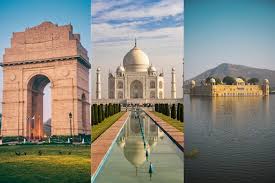
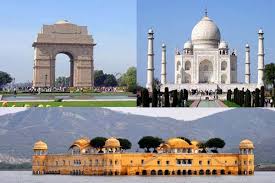
    Delhi, India’s capital city, is a melting pot of tradition and modernity. From the historic lanes of Old Delhi to the bustling marketplaces and architectural wonders, every corner tells a story. The Red Fort, India Gate, Qutub Minar, and Humayun’s Tomb — all are testament to India’s glorious past.

    Just a few hours away lies Agra, home to the magnificent Taj Mahal, one of the Seven Wonders of the World. But Agra isn’t just about the Taj — the Agra Fort, Mehtab Bagh, and Fatehpur Sikri complete the historical charm. Together, Delhi and Agra make a power-packed cultural combo that’s perfect for a short but enriching escape.

    Why You Need the Best Travel Agency in Delhi, Delhi Agra Trip Package

    Planning a trip sounds fun until you hit the roadblocks — bookings, transportation, local guides, last-minute changes, and the pressure to cover all “must-see” spots. That’s where the best travel agency in delhi, delhi agra trip package comes in.

    Here’s why choosing a professional agency can elevate your travel experience:

    1. Curated Itineraries

    You don’t have to spend hours researching the best time to visit Humayun’s Tomb or how long to spend at the Taj Mahal. Trusted travel agencies already know the ideal routes, timing, and hidden gems. Their itineraries balance sightseeing, leisure, and cultural immersion so you experience the best of both cities.

    2. Comfortable Transportation

    Let’s face it — navigating Delhi’s traffic or coordinating a train from Delhi to Agra can be overwhelming. With a travel agency, all your transfers are taken care of. Sit back in a private car or a luxury coach and enjoy the ride without worrying about maps, directions, or delays.

    3. Local Guides & Stories

    Seeing the Taj Mahal is magical, but hearing the love story behind it from a passionate local guide takes it to another level. Good agencies provide trained guides who bring monuments to life with stories, legends, and historical facts that make the trip unforgettable.

    4. Flexible Packages

    Whether you’re a solo traveler, a couple on a romantic getaway, or a family on vacation, the best travel agency in Delhi, Delhi Agra trip package will have something tailored just for you. Want a sunrise tour? Prefer shopping at Delhi’s markets? Or maybe a food walk in Old Delhi? Your itinerary can be adjusted to your interests.

    5. Value for Money

    Think travel agencies are expensive? Think again. When you factor in transportation, entrance fees, hotel bookings, meals, and hidden costs — a travel package often turns out to be more affordable and definitely more convenient.

    What to Expect in a Typical Delhi-Agra Trip Package

    A standard 2-day/1-night or 3-day/2-night package includes:

    • Pickup and drop from your Delhi hotel or airport
    • Sightseeing in Delhi (Red Fort, India Gate, Lotus Temple, Qutub Minar)
    • Drive to Agra via Yamuna Expressway
    • Sunrise visit to the Taj Mahal
    • Visits to Agra Fort, Mehtab Bagh, and local markets
    • Optional detour to Fatehpur Sikri
    • Comfortable accommodation and guided tours

    Some agencies even offer same-day return trips for those short on time.

    How to Choose the Right Travel Agency

    Look for agencies with:

    • Excellent online reviews
    • Transparent pricing
    • Certified local guides
    • Customizable packages
    • 24/7 customer support

    Most importantly, pick one that understands your travel style and goes the extra mile to make your trip special.

    Final Thoughts

    The Delhi-Agra journey is more than just ticking off tourist spots — it’s about soaking in history, enjoying local flavors, and making lifelong memories. With the best travel agency in Delhi, Delhi Agra trip package, you’re not just booking a trip; you’re unlocking an experience that blends comfort, discovery, and cultural richness.

    So what are you waiting for? Pack your bags, charge your camera, and let a tr

Design a site like this with WordPress.com
Get started