Investing in the stock market is a well-trodden path to wealth creation, but a growing number of investors are exploring a less conventional route: unlisted shares. These shares offer ownership in companies that aren’t traded on public stock exchanges like the NYSE or BSE, often providing a chance to invest in promising firms before their initial public offering (IPO). The opportunity to Buy unlisted shares has become a buzzword among those seeking high-growth potential. This article breaks down what unlisted shares are, their benefits, risks, and how you can dive into this intriguing investment space.
What Exactly Are Unlisted Shares?
Unlisted shares, sometimes called pre-IPO shares, are equity stakes in private companies that have not yet gone public. These could be fast-growing startups, family-owned businesses, or established firms choosing to stay private. Unlike listed stocks, which you can buy or sell on exchanges, unlisted shares are traded through private channels—think specialized platforms, brokers, or direct negotiations.
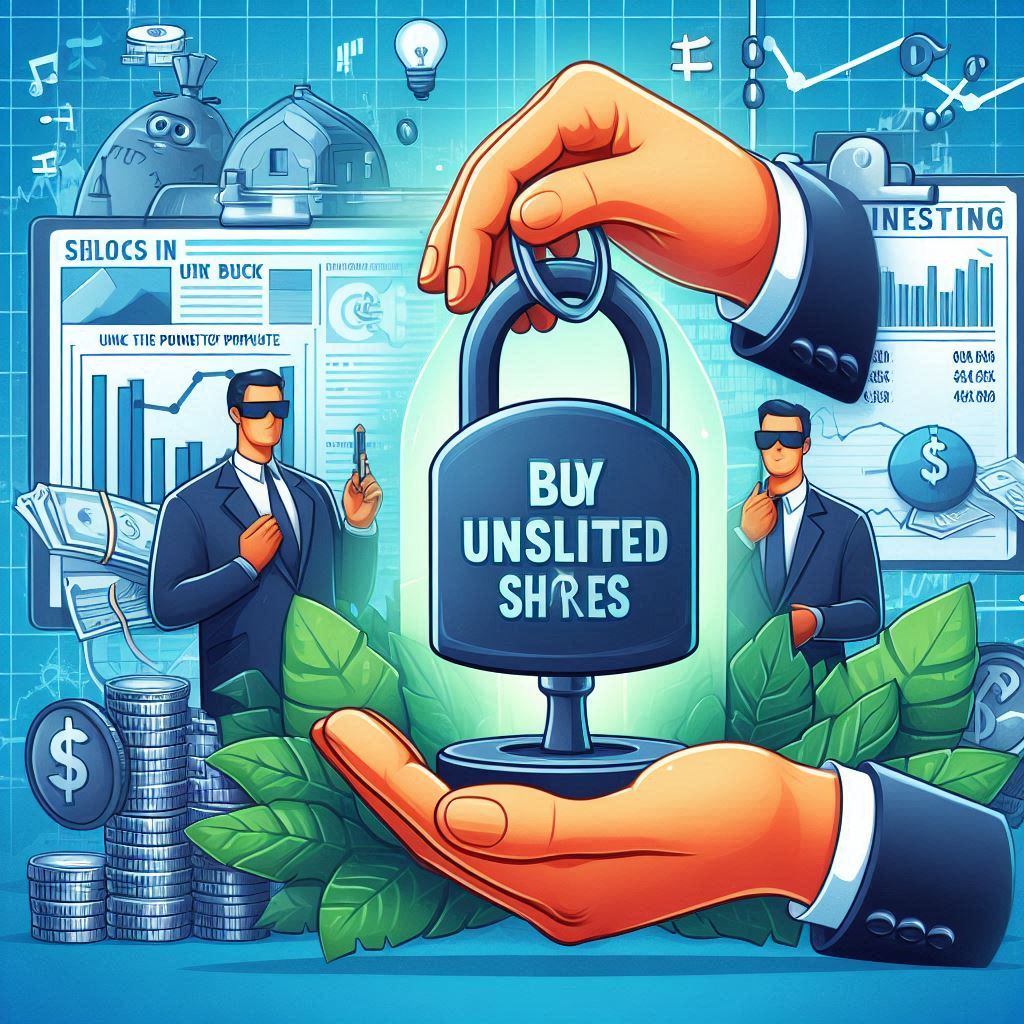
The charm of unlisted shares lies in their exclusivity. Companies like Uber or Flipkart were once private, and early investors who bought their unlisted shares saw massive returns when they eventually went public. This potential for exponential growth is what draws investors to this market.
Advantages of Buying Unlisted Shares
The biggest advantage of investing in unlisted shares is the possibility of significant profits. When a private company launches an IPO, its share value often jumps, rewarding those who invested early. Getting in at a pre-IPO price can mean buying low and selling high later.
Another benefit is access to unique opportunities. Unlisted shares let you invest in innovative sectors—like biotech, fintech, or renewable energy—that may not yet have a strong presence in public markets. This can diversify your portfolio and expose you to cutting-edge industries.
Plus, unlisted shares can sometimes be undervalued compared to their post-IPO potential. For investors with foresight, this presents a chance to secure a stake in a future market leader at a fraction of its eventual worth.
Risks You Should Know
While the upside is enticing, pre-IPO shares carry distinct risks. Liquidity is a major issue—since there’s no public market, selling these shares can be difficult. You might need to hold them for years until an IPO or acquisition occurs, tying up your money.
Information scarcity is another challenge. Private companies aren’t required to publish financial statements, so you may have limited insight into their performance. This lack of transparency can make it harder to assess whether a company is a solid bet.
Finally, there’s no guarantee of success. Some private firms never reach an IPO or fail outright, leaving investors with worthless shares. To mitigate these risks, thorough research and a willingness to accept uncertainty are key.
How to Get Started with Unlisted Shares
Interested in buying unlisted shares? Here’s how to begin:
- Explore Platforms: Use services like SharesPost, EquityZen, or regional brokers that specialize in private securities. These platforms connect buyers with unlisted share opportunities.
- Confirm Eligibility: In many countries, unlisted shares are available only to accredited investors—those with a certain income or net worth. Check local rules to see if you qualify.
- Research Thoroughly: Investigate the company’s fundamentals, including its business model, leadership, and market trends. Seek expert advice if data is scarce.
- Complete the Transaction: Once you’ve picked a company, the platform or broker will guide you through the purchase, which often involves signing legal documents.
Wrapping Up
Buying unlisted shares opens the door to early investment in companies poised for growth. While the potential rewards are substantial, the risks—such as illiquidity and limited transparency—require careful consideration. By using trusted platforms and conducting diligent research, you can position yourself to capitalize on the next big thing. If you’re ready to step beyond traditional stocks and embrace a bold investment strategy, unlisted shares could be your ticket to future success!








 Site Title